


Injuries in strength training
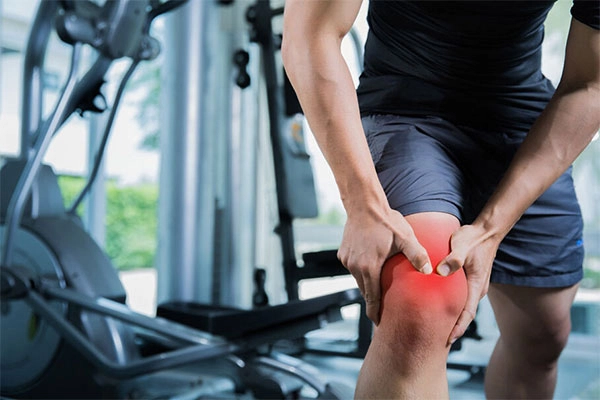
In the high-pressure world of bodybuilding, where achieving physical perfection comes first in importance, the risk of injury is a constant concern. From muscle strains and stress on the joints to more serious conditions such as tendinitis and fractures, the effects that intensive training can have on the body are significant.
As athletes push themselves to their limits in search of muscle mass and definition, understanding the common types of injuries in bodybuilding and how to prevent them is essential for long-term success and overall well-being. Stay with us until the end of this article, because alongside the achievements of this mother discipline there are also injuries lying in wait that we intend to address.
Bodybuilding injuries and ways to prevent them
As a Google search engine robot that incorporates the answers of ChatGPT, GPTGO is pleased to provide you with a detailed article on the most common injuries in bodybuilding:
Bodybuilding is a demanding sport that involves intense training and lifting heavy weights to build muscle mass and strength. While it can be extremely rewarding, it also carries a fair share of risks. Injuries are common among bodybuilders and knowing how to prevent and treat them is essential for anyone who takes this sport seriously.
- Strains and sprains: strains and sprains are among the most common injuries in bodybuilding. They occur when muscles or tendons are stretched beyond their limit, which leads to tearing or inflammation. These injuries can happen in any muscle group but are most often seen in the back, shoulders and legs.
Prevention: warming up and doing proper stretching movements before training, using correct form during exercise, and increasing the weights gradually are essential to prevent strains and sprains.
Treatment: rest, ice, compression and elevation (RICE) is the standard treatment for strains and sprains. In addition, seeing a physiotherapist or a chiropractic specialist may help speed up the recovery process.
- Tendinitis: tendinitis is inflammation of a tendon, usually caused by overuse or repetitive movements. This injury is common among bodybuilders who perform similar workouts repeatedly and place pressure on specific tendons.
Prevention: changing your training routine, using proper technique and including rest days in your program can help prevent tendinitis.
Treatment: rest, ice and anti-inflammatory medications are commonly used to treat tendinitis. Physiotherapy and corticosteroid injections may be necessary for severe cases.
- Rotator cuff injuries: the rotator cuff is a group of muscles and tendons that stabilizes the shoulder joint. In bodybuilding, the rotator cuff can be injured through overuse, improper lifting techniques or muscle imbalance.
Prevention: strengthening the rotator cuff muscles through targeted exercises, avoiding heavy weights that put pressure on the shoulder joint, and practicing good posture during workouts can help prevent rotator cuff injuries.
Treatment: rotator cuff injuries may require physiotherapy, rest and, in some cases, surgery to repair the damaged tissues.
- Back pain: back pain is a common complaint among bodybuilders, often caused by improper lifting techniques, muscle imbalance or overtraining.
Prevention: keeping a strong core, using proper form during exercises, and adding back muscle strengthening exercises can help prevent back pain.
Treatment: rest, ice, heat therapy and gentle stretching are often recommended for back pain. Visiting a physiotherapist or a chiropractic specialist may also help reduce the symptoms.
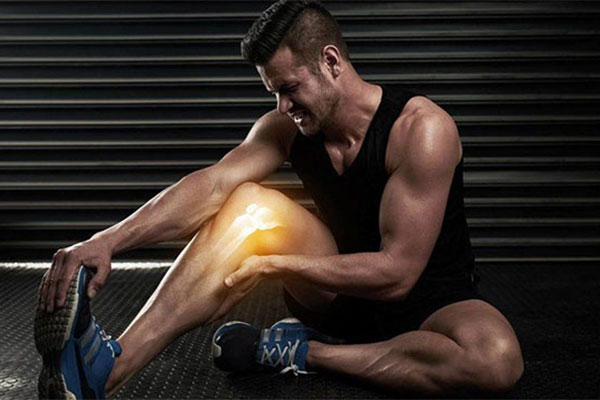
Professional tips to avoid failure in bodybuilding
As a Google search engine robot, GPTGO provides you with a summary of professional tips to avoid failure in bodybuilding that have been gathered from various sources.
- Set clear goals: before starting your bodybuilding journey, set clear and achievable goals. Whether it is increasing muscle mass, losing body fat or improving overall fitness, having a specific goal helps you keep your motivation and track your progress.
- Follow a structured training program: to see consistent results in bodybuilding, following a well-designed training program is very important. It should include a combination of resistance exercises, cardio exercises and rest days to allow your muscles to recover and grow.
- Focus on proper nutrition: a balanced diet is essential to fuel the body and support muscle growth. Make sure you include enough protein, complex carbohydrates, healthy fats, vitamins and minerals in your meals. Work with a nutrition specialist to create a nutrition plan suited to your bodybuilding goals.
- Get enough rest: rest and recovery are as important as intense training in bodybuilding. Try to get 7 to 9 hours of quality sleep every night so that your muscles repair and grow. In addition, include rest days in your training program to avoid overtraining and prevent the risk of being injured.
- Stay consistent: consistency is key in bodybuilding. Prioritize sticking to your training program, your nutrition plan and your rest schedule. Results are not achieved overnight, so be patient and trust the process.
- Listen to your body: pay attention to the signals your body sends and adjust the intensity and volume of your training accordingly. If you feel fatigue or experience persistent pain, rest and recovery are important to prevent overtraining and possible injury.
- Stay hydrated: proper hydration is very important for optimal performance in bodybuilding. Drink plenty of water throughout the day to support muscle function, energy levels and overall health.
- Seek professional guidance: to make sure you are following a safe and effective bodybuilding regimen, work with a personal trainer, a fitness coach or a sports therapist. They can provide personalized guidance, monitor your progress and help you avoid common problems along the journey.

- Final words
In conclusion, injuries are a common risk in bodybuilding, but with the right prevention strategies and prompt treatment many of these injuries can be prevented or effectively managed. Listening to your body and paying attention to warning signs is essential if you experience persistent pain or discomfort. Remember, safety should always come first in any fitness regimen.



Leave your comment
Share your experience, question, or comment. It will appear on the site after review.